Open-source finance for the people building and funding companies
I'm Taylor Davidson. I've built financial models since 2005, taught thousands of founders and investors to use them, and run the fund financials for a venture firm.
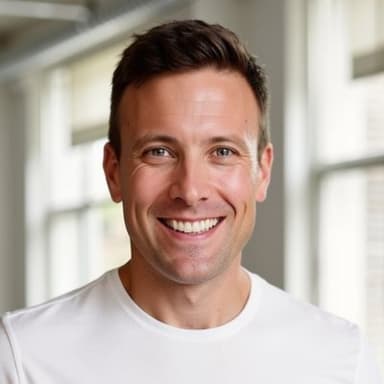
Fractional CFO at Laconia Capital Group. Formerly part-time CFO, consultant, angel investor, venture capitalist. MBA in finance and accounting from Carnegie Mellon. 55,000 users across 116 countries. The person on the other end of support.
Why this exists
For most of the last twenty years, the answer to “how do I model this?” was a spreadsheet template. I built a lot of them, and they still hold up. What's changed is how much a small team can build for itself. With AI, a founder or a fund manager can now make the finance tools their work actually needs, instead of paying for software that almost fits.
That's the bet behind Hemrock. The math that has to be right lives in open-source code and proven spreadsheet structures, and AI does the reading and the drafting on top of it. Portfolio runs a venture fund's reporting on your own infrastructure. The web tools give exact answers on cap tables, exit waterfalls, and fund economics. The models are Apache 2.0 and pay what you want.
I still think building a model is one of the best ways to understand a business, because it makes you write down how customers find you, how that turns into revenue, and what it all costs. Any single forecast will be wrong. Testing a range of them is how you make better decisions, and that part hasn't changed.
What I believe
Don't let detail obfuscate insight.
The goal isn't a more complex model. It's enough detail to make the right decision, and no more. Most of my work on the models over the years has been reducing complexity, not adding it.
Minimum viable models.
Founders don't need a perfect five-year forecast. They need enough structure to pressure-test the business, communicate with investors, and make the next decision. Build the smallest useful thing, then iterate.
Edit, don't generate.
AI is good at editing structure that already works. It's bad at generating correct structure from nothing. The Hemrock approach: start with a proven model, customize with AI, verify before you trust.
Products over spreadsheets.
Spreadsheets are a means, not an end. If a founder spends a week on a model instead of on their product, the model failed. My job is to make the financial side fast enough that you can focus on what matters.
Timeline
First financial model
Built my first model in private equity. Learned how much finance and accounting sit underneath every business decision.
Into startups
Moved to building models for startups. Found myself rebuilding from scratch for every new business.
First public template
Released the first version of what became the Standard Financial Model. Free, open for editing, updated with every round of feedback.
First paid model
Released paid models alongside the free ones. Kept iterating based on what founders and VCs actually used.
Full-time
Began working on productized models.
Fractional CFO at Laconia
Joined Laconia Capital Group as fractional CFO. Bringing what I've learned from building models to running fund financials day-to-day.
Built to edit
Renamed Foresight to Hemrock. Rebuilt the product around AI: proven structures, edited with Claude and ChatGPT, not generated from scratch.
For founders
Plan, fundraise, build. Financial models for people running companies.
Tools for founders →For investors
Model the fund, track outcomes, report to LPs. For VC firms, syndicates, and angels.
Tools for investors →Work with me
Fractional CFO, working sessions (including reviews of AI-built models), custom models.
Services →